
Why Everyone Is Talking About Creative Communities (And You Should Too)
The creative industry has always been a bit of a paradox. We're storytellers who crave connection, yet we often find ourselves hunched over editing suites at 2 AM, isolated in our craft. But something's shifting. Everywhere you look: from co-working spaces in Shoreditch to virtual film clubs spanning continents: creative communities are having a moment. And it's not just trendy networking events or Instagram-worthy meetups. There's something deeper happening here that's reshaping how we approach creativity, collaboration, and career growth.
So why is everyone suddenly obsessed with creative communities? And more importantly, why should you care?
The Solo Artist Myth Is Dead (And Good Riddance)
Let's be honest: the romantic notion of the isolated genius creating masterpieces in solitude is not only outdated: it's harmful. The reality is that creativity thrives on connection, feedback, and the beautiful messiness of human collaboration.
Creative communities provide what working alone simply cannot: real-time feedback in a judgement-free environment. When you're stuck on a rough cut or wrestling with a colour grade that just isn't clicking, having trusted peers to bounce ideas off can be the difference between breakthrough and breakdown. These communities create space for the kind of honest, constructive critique that helps refine your work without crushing your spirit.

But it goes beyond just getting notes on your latest project. Creative communities expose you to techniques and approaches you'd never stumble upon working solo. Maybe it's a lighting trick from a documentary filmmaker that transforms your narrative work, or a sound design approach that completely shifts your post-production game. The cross-pollination of ideas is where the magic really happens.
Building Your Tribe in an Increasingly Fragmented World
The film and media industry can feel brutally lonely. Freelance life means constantly starting over with new teams, and even full-time positions often lack the deep creative connections that feed the soul. Creative communities address this head-on by fostering genuine belonging through shared creative pursuits.
When you find your people: those who understand the particular madness of staying up all night tweaking audio levels or the specific joy of landing the perfect transition: you've found something precious. These connections strengthen social bonds through collaborative projects and shared experiences, breaking down the professional barriers that can make the industry feel so transactional.
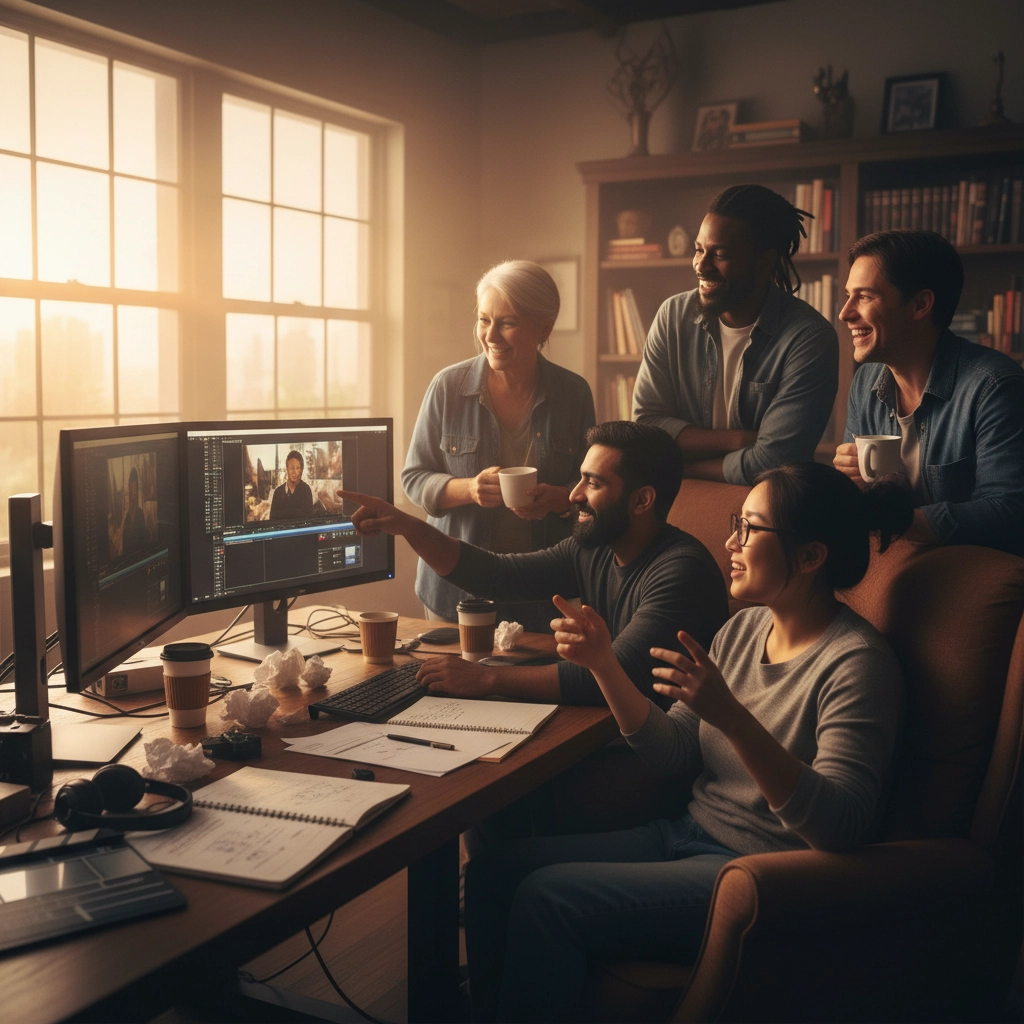
At Bloomsbury Post House, we've seen this firsthand through our Fine Cut Club screenings. There's something powerful about gathering filmmakers to watch and discuss work-in-progress cuts. The conversations that happen after these screenings often lead to collaborations, mentorships, and friendships that extend far beyond that single evening.
Community Identity: More Than Just Individual Success
Creative communities do something remarkable: they build and strengthen collective identity. When filmmakers, editors, sound designers, and producers come together around shared projects or regular meetups, they create something larger than the sum of their individual talents.
Think about the creative clusters that have shaped film history: from the French New Wave directors who met at Cahiers du Cinéma to the indie film community that emerged around Sundance. These weren't just random groups of talented individuals; they were communities with shared values, aesthetic approaches, and mutual support systems.
This community identity serves as both anchor and amplifier. It provides stability and belonging while also elevating individual work through association with a larger movement or philosophy. Your film doesn't just represent your vision: it becomes part of a larger conversation, a community dialogue about what cinema can be.
The Economic Reality: Communities Drive Opportunities
Here's the business case for creative communities: they're economic engines. Art festivals, film screenings, and cultural events don't just enrich the soul: they stimulate local economies, attract investment, and create jobs. Neighbourhoods with thriving creative scenes experience increased property values and business development.
For individual creatives, communities provide access to opportunities that would never appear on traditional job boards. The best projects often emerge from conversations over coffee after a screening or from late-night discussions in post-production facilities. These organic connections lead to collaborations, referrals, and the kind of career opportunities that transform creative practice.
Our membership programmes at Bloomsbury Post House recognise this reality by creating structured opportunities for these organic connections to flourish alongside practical support for creative projects.
Healing Through Creative Connection
The therapeutic power of creative communities extends far beyond professional development. Art provides an outlet for emotional expression and healing, helping creators process trauma, cope with industry pressures, and maintain mental health in a notoriously challenging field.
Working in film and media can be emotionally intense. You're constantly dealing with rejection, tight deadlines, financial uncertainty, and the vulnerability that comes with putting your creative vision into the world. Creative communities provide crucial emotional support during these challenges, offering both practical advice and the simple reassurance that you're not alone in the struggle.
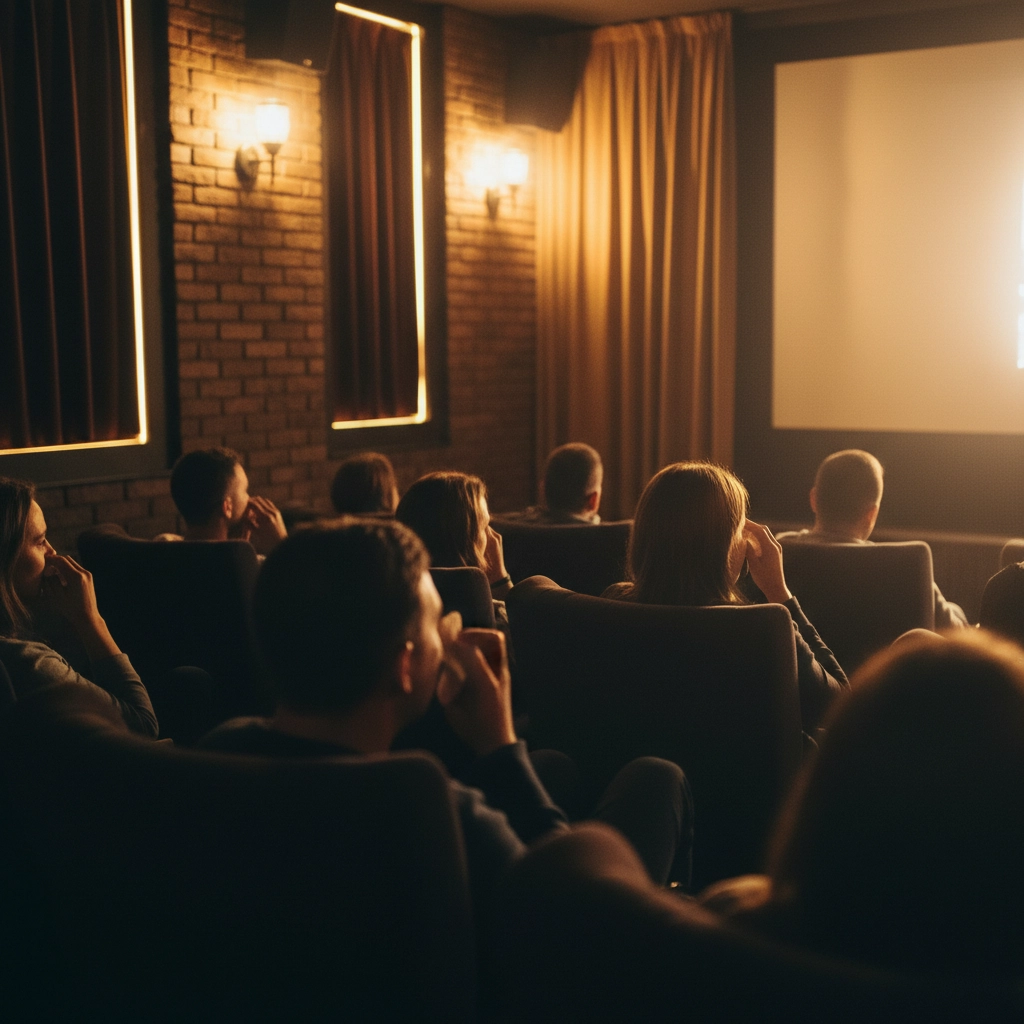
The healing aspect of creative communities also extends to the wider world. Through projects that tackle social issues, amplify marginalised voices, and create space for difficult conversations, creative communities become agents of social healing and change.
Innovation Through Diversity of Thought
Creative communities foster innovation by bringing together diverse perspectives and approaches. When documentary filmmakers sit alongside narrative directors, when editors collaborate with sound designers, when established professionals mentor emerging talent: that's where breakthrough thinking happens.
This diversity of thought encourages fresh problem-solving approaches that extend beyond individual projects. The techniques developed in one medium often translate brilliantly to another. The organisational methods that work for large productions can be adapted for solo creators. The marketing approaches that succeed for docs can revolutionise how narrative films find their audiences.
At our ARC & BEAT dramaturgy creative studio, we've seen how bringing different creative voices into the story development process creates more nuanced, powerful narratives than any single creator could develop in isolation.
Your Next Move
The conversation around creative communities isn't just industry chatter: it's a recognition that the old models of isolated creative work are giving way to more collaborative, supportive, and ultimately more sustainable approaches to creative careers.
Whether you're looking for feedback on your latest project, seeking collaborators for your next venture, or simply want to be part of something larger than your individual practice, creative communities offer pathways to growth that working alone simply cannot provide.
The film and media landscape is evolving rapidly, with new technologies, platforms, and opportunities emerging constantly. Creative communities provide the knowledge sharing, emotional support, and collaborative opportunities necessary to navigate this changing terrain successfully.
The question isn't whether creative communities are worth your time: it's which ones align with your values, goals, and creative vision. Start exploring, start connecting, and start building the creative relationships that will sustain and inspire your work for years to come.
Your creative community is out there waiting for you. The only question is: when will you join the conversation?